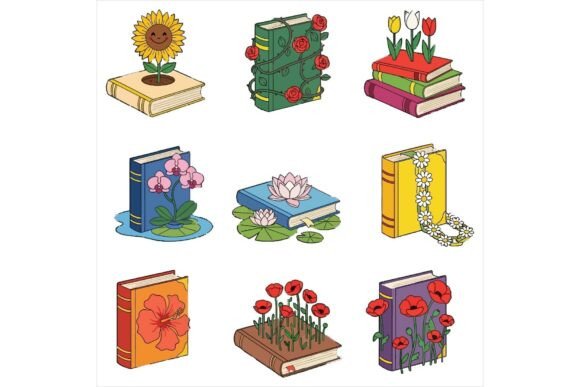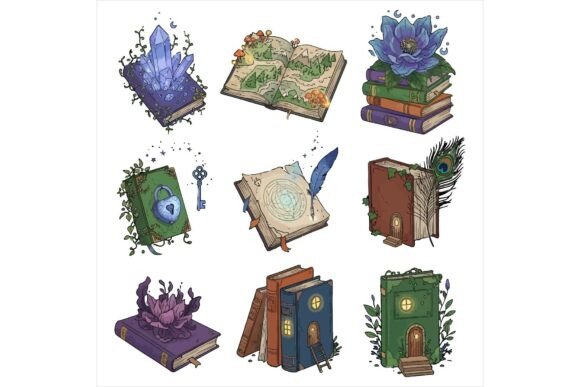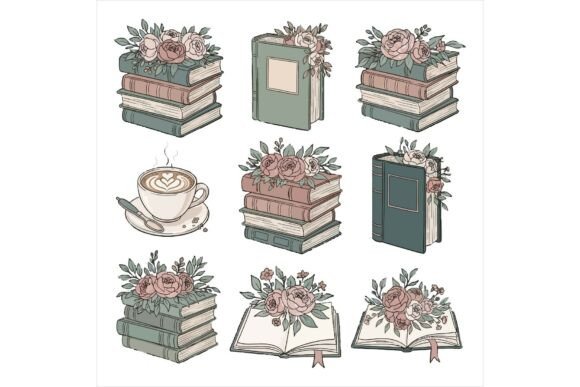
Vintage Book Illustrations with Flowers
As a digital publisher who has spent years refining the visual language of content websites, I know that the difference between a casual blog and a trusted editorial brand often comes down to a single element: the quality of the graphic design asset. When I first encountered Vintage Book Illustrations with Flowers, my immediate reaction was one of nostalgia mixed with professional curiosity. In an era dominated by flat, minimalist vector art, this collection offers a textured, organic warmth that feels both timeless and distinctly human. It is not merely a set of images; it is a mood setter that instantly elevates the perceived value of any digital publication.
The Editorial Mood and Visual Identity
The first impression of Vintage Book Illustrations with Flowers is one of curated elegance. These illustrations carry the weight of classic botanical prints and antique bookplates, creating an atmosphere that is simultaneously lifestyle-focused and deeply artistic. For a blogger or small business owner, this style naturally supports niches that value storytelling, heritage, and beauty. Whether you are running a literary review site, a sustainable living blog, or a boutique wedding planning service, these visuals communicate a sense of history and care that modern, sterile graphics simply cannot replicate.
This asset excels at establishing a strong brand identity. By integrating these floral motifs into your web design, you signal to your audience that your content is thoughtful and well-researched. The intricate details of the flowers provide a rich visual hierarchy, guiding the reader's eye through your layout without overwhelming them. This is crucial for building reader trust; when a website looks polished and intentional, visitors are more likely to stay longer, consume more content, and ultimately convert on affiliate links or newsletter sign-ups.
Real-World Publishing Workflows
Let’s talk about how this translates into a real publishing workflow. Imagine you are preparing a series of posts for a seasonal campaign. You need featured images that stand out in a crowded feed, Pinterest pins that drive traffic, and article headers that set the tone immediately. Vintage Book Illustrations with Flowers becomes your secret weapon here. Instead of hunting for stock photos that feel generic, you can use these illustrations as the foundation for your blog graphics.
I have found these assets incredibly versatile for creating Pinterest pins that stop the scroll. The vintage aesthetic performs exceptionally well on platforms where users seek inspiration and aesthetics. You can layer text over the negative space of a floral arrangement to create stunning social media graphics. Furthermore, these illustrations work beautifully as accents in editorial layouts. A subtle flower motif in the corner of a sidebar or as a divider between sections adds a layer of sophistication that transforms a standard blog post into a premium reading experience.
Beyond the blog itself, consider the potential for digital products. If you are an online educator or a creative entrepreneur selling a digital guide or an eBook, using these illustrations for your cover design creates an instant perception of high value. They also serve as excellent components for lead magnets. A downloadable printable design or a worksheet featuring these floral elements feels like a tangible gift to your subscribers, increasing the likelihood of email opt-ins. Even your media kits will look more professional when branded with such distinct, high-quality imagery.
Enhancing Content Performance
The strategic use of Vintage Book Illustrations with Flowers directly impacts content performance metrics. A stronger first impression leads to lower bounce rates. When a user lands on your homepage and sees a cohesive, beautiful website header featuring these illustrations, they are subconsciously reassured of the site's credibility. This clarity in visual communication improves click-through potential, especially for affiliate marketing content where trust is paramount.
Consistency is key in content marketing. By using a unified set of design assets, you ensure that every touchpoint—from your category thumbnails to your newsletter banners—feels part of the same family. This consistency reinforces your small business branding and makes your content instantly recognizable across different channels. Whether it is a Canva template you build for your team or a custom graphic for a paid ad, the underlying visual language remains strong and clear.
Strategic Placement and Best Use Cases
To get the most out of this collection, you must understand where it shines brightest. These illustrations are perfect for hero images on landing pages, where they can capture attention immediately. They work wonderfully as article thumbnails that promise a story-rich read. For social media, they are ideal for Instagram carousels, Facebook cover photos, and those all-important Pinterest pins that act as long-term traffic drivers. Additionally, they make excellent editorial accents within long-form content, breaking up walls of text and providing visual breathing room.
However, there are scenarios where caution is required. While these illustrations are beautiful, they can be too busy for certain contexts. Avoid using them as backgrounds for text-heavy blog images unless you apply significant opacity or overlays to ensure readability. On mobile devices, small thumbnails might lose their intricate detail, so always test how they scale down. They may also clash with serious, corporate niches or industries that demand a starkly minimal visual system. If your brand relies on ultra-modern, tech-forward aesthetics, the ornate nature of Vintage Book Illustrations with Flowers might feel out of place.
Practical Publisher Notes for Implementation
Before integrating these assets into your live site, follow a rigorous testing protocol. First, preview the illustrations inside your actual blog layout. Does the color palette harmonize with your existing theme? Try pairing the images with different font styles: a classic serif font will enhance the vintage feel, while a clean sans-serif can create an interesting modern contrast. Even a script or handwritten font can add a personal touch if used sparingly.
Always check contrast and readability. Place the illustration beside bold headlines and ensure the text remains legible. Test the images in black and white to see if the composition holds up for print versions or grayscale newsletters. From a technical standpoint, review the file size. High-resolution files are great for print, but for web design, you must compress images properly to maintain fast load times. Slow sites kill engagement, so optimize your digital download assets before uploading.
Finally, never overlook the legalities. Confirm the commercial license attached to Vintage Book Illustrations with Flowers. Ensure you have the rights to use these images on monetized websites, affiliate pages, and paid content products. Using unlicensed assets can lead to costly penalties and damage your reputation. Once verified, you can confidently deploy these illustrations across your ecosystem.
Final Thoughts on Creative Design
In the competitive landscape of the creative marketplace, standing out requires more than just good writing; it demands exceptional visuals. Vintage Book Illustrations with Flowers offers a unique blend of nostalgia and utility that few other assets can match. For bloggers, publishers, and digital creators looking to elevate their game, this collection provides the necessary tools to craft a visual narrative that is both engaging and trustworthy. By thoughtfully applying these illustrations to your modern design projects, you create a digital environment that invites readers to linger, explore, and return.