Reviewing Whimsical Illustrations of Magical Books
As a graphic designer who has spent the last decade refining brand identities and crafting marketing visuals for small businesses, I approach every new graphic design asset with a critical eye. It is not enough for an image to be pretty; it must perform. Recently, I evaluated a collection titled Whimsical Illustrations of Magical Books for a client project involving a boutique stationery brand launching a new line of fantasy-themed journals. The goal was to determine if these assets could elevate the brand identity without compromising readability or professional polish.
First Impressions and Visual Mood
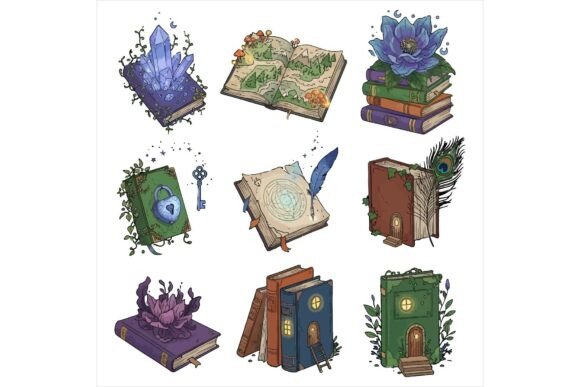
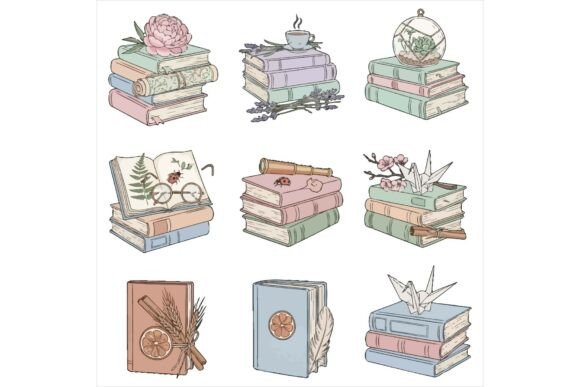
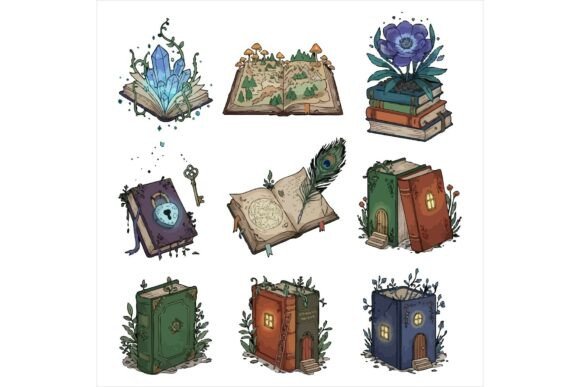
The initial impact of Whimsical Illustrations of Magical Books is immediate and enchanting. The style leans heavily into a storybook aesthetic, featuring open tomes with swirling sparkles, floating pages, and organic, hand-drawn lines. This is not rigid corporate art; it is expressive and fluid. For designers working in the creative marketplace, this mood is invaluable. It creates an instant emotional connection, suggesting wonder, knowledge, and escape.
When I placed these illustrations against a clean, off-white background, they popped with clarity. The line work is distinct, which is crucial for versatility. Whether you are designing for a digital screen or a physical product, the visual weight feels balanced. This collection naturally fits projects that require a touch of nostalgia or fantasy, such as children’s book covers, mystical event invitations, or artisanal product labels.
Performance in Real Client Projects
The true test of any digital product is its adaptability across various mediums. During my review, I simulated several real-world applications to see how Whimsical Illustrations of Magical Books would hold up.
- Packaging Design: For the journal launch, I used a central book illustration on the box lid. The intricate details held up well in the product mockup, creating a premium feel that justified a higher price point.
- Social Media Graphics: I created a series of Instagram posts using the assets as decorative accents around text. They worked beautifully as framing elements, drawing the eye toward the call-to-action without overwhelming the message.
- Print-on-Demand: For clients selling t-shirts or tote bags, these images translate well into sublimation design workflows. The clear outlines ensure that when printed on fabric, the magic elements remain visible and crisp.
- Cricut Projects: If the bundle includes SVG files, this is a goldmine for crafters. The separate layers allow for multi-color vinyl cutting, making it ideal for complex Cricut projects like layered paper crafts or custom stickers.
For Etsy product sellers, this type of design bundle can be repurposed into printable wall art or digital planner stickers. The whimsical nature appeals strongly to the handmade community, where uniqueness is valued over mass-produced uniformity.
Strategic Placement and Visual Hierarchy
Understanding where to place these assets is key to maintaining visual hierarchy. Whimsical Illustrations of Magical Books works best as a hero graphic or a significant decorative accent. In large layout areas, such as website headers or poster backgrounds, the illustrations command attention and set the tone.
However, caution is required in crowded layouts. Because the style is detailed, placing these clipart elements near small body text can reduce readability. I recommend using them as supporting brand elements rather than competing with primary information. For example, use a subtle book icon in the footer of a website or as a watermark on editorial design pieces, but avoid clustering them around essential contact details.
Where to Use Carefully
While versatile, this style is not universal. It should be used carefully in minimalist branding or professional corporate materials where clean, sans-serif aesthetics dominate. The organic, flowing lines may clash with rigid geometric logos. Additionally, on low-contrast backgrounds, the finer details of the magical sparks might disappear. Always test your PNG design files on both light and dark backgrounds to ensure visibility.
Technical Checks for Professional Use
Before delivering any final files to a client, I run a standard checklist. Here is how Whimsical Illustrations of Magical Books fared under scrutiny:
- Contrast and Readability: I tested the illustrations in black and white. The strong line work ensured they remained recognizable even without color, which is vital for cost-effective single-color printing on merchandise.
- File Formats: Ensure you have access to high-resolution PNGs for web use and vector-based SVGs for scalability. Vector formats are essential for logo design adjustments or large-format printing like banners.
- Typography Pairing: These illustrations pair exceptionally well with serif fonts that evoke tradition, or handwritten fonts that match the whimsical vibe. Avoid overly technical display fonts that might create a disjointed visual experience.
- Licensing: Always confirm the commercial license terms. For client work, you need assurance that the asset can be used in products for sale, such as sticker design sheets or packaged goods, without additional royalties.
Enhancing Brand Consistency and Trust
Using high-quality design assets like these contributes to the overall perception of professionalism. When a customer sees cohesive, polished graphics across marketing visuals, from Pinterest pins to package inserts, it builds trust. Whimsical Illustrations of Magical Books helps establish a consistent narrative. It tells the audience that the brand values creativity and detail.
For small business branding, this consistency is a competitive advantage. It differentiates a handmade shop from generic competitors. By integrating these illustrations into Canva template kits for clients, you empower them to maintain this high standard in their daily social media posts, ensuring their web design and digital presence remain aligned.
Final Verdict for Designers
In conclusion, Whimsical Illustrations of Magical Books is a robust addition to any designer’s toolkit, particularly for those serving the creative, literary, or handmade sectors. It offers a blend of charm and technical utility that supports a wide range of applications, from t-shirt design to sophisticated packaging design.
While it requires thoughtful placement to avoid visual clutter, its ability to evoke emotion and enhance modern design projects with a touch of fantasy makes it a valuable resource. For designers looking to add depth and character to their creative design portfolios, this collection delivers both aesthetic appeal and practical functionality. Just remember to validate the file types and licensing for your specific commercial needs, and you will find these illustrations to be a reliable partner in your next client project.