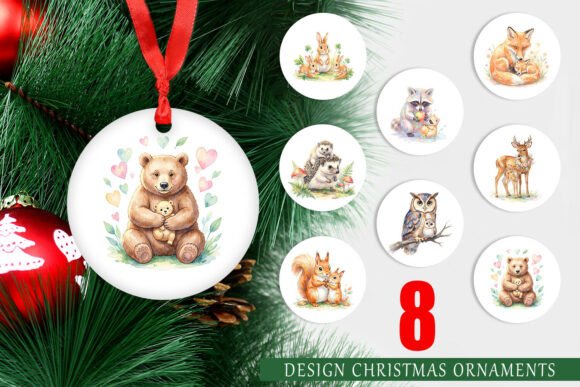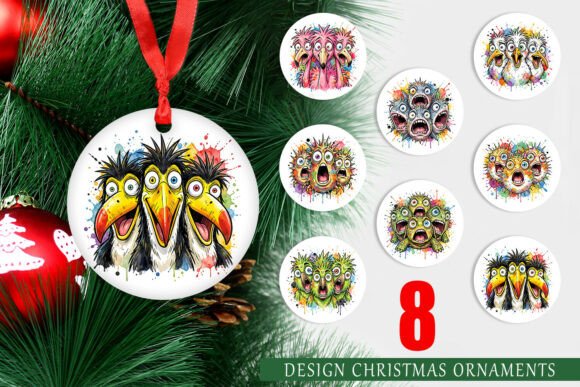
Reviewing the Watercolor Tropical Animal Ornament
As a designer who has spent countless hours digitizing and testing machine embroidery design files, I have learned to look past the glossy marketing mockups. What matters is how a design behaves under the needle. Recently, I pulled the Watercolor Tropical Animal Ornament into my workspace to evaluate its potential for a client’s upcoming summer collection. This isn’t just another cute graphic; it is a piece from the Illustrations category that demands careful consideration of stitch placement and fabric choice.
First Impressions and Visual Mood
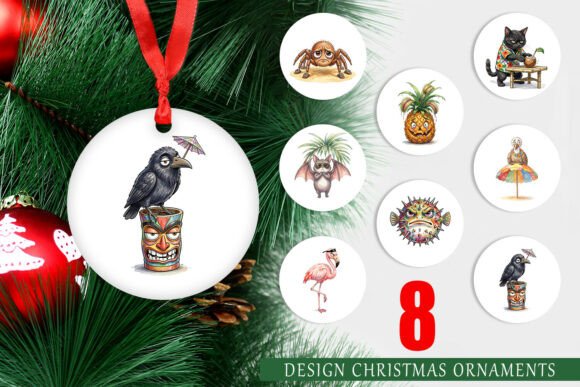
The immediate appeal of the Watercolor Tropical Animal Ornament lies in its soft, artistic aesthetic. Unlike rigid vector art, this design mimics the fluid bleed of watercolor paints. For an embroidery project, this presents both a challenge and an opportunity. The mood is playful yet sophisticated, making it ideal for boutique branding where you want to avoid looking too "crafty" or juvenile.
The layout features organic shapes that suggest movement, which is crucial for keeping the eye engaged. When I zoomed in on the digital file, I noticed the transition areas between colors were designed to blend rather than clash. This suggests that the digitizer intended for the thread colors to do some of the heavy lifting. For an Etsy seller or small shop owner, this visual personality can significantly elevate the perceived value of a handmade product.
Real-World Application: The Custom Tote Test
To truly understand the viability of this design, I simulated a real-life scenario: creating a custom embroidered tote bag for a local botanical garden gift shop. The goal was to produce a tote bag design that felt fresh and seasonal. I chose a heavy canvas fabric, which is standard for durable bags, and hooped it with a medium-weight cut-away stabilizer.
The Watercolor Tropical Animal Ornament performed surprisingly well on the textured surface. The fill stitches provided enough coverage to mask the weave of the canvas, while the satin stitch outlines kept the animal shape distinct. However, I had to be mindful of the stitch density. On thick fabrics, high-density fills can cause puckering. I adjusted my machine tension slightly and ensured the stabilizer was taut. The result was a crisp, vibrant image that held up to handling.
This same logic applies to sweatshirt embroidery. If you are placing this on a fleece or French terry, the soft edges of the watercolor style complement the cozy texture of the garment. It avoids the stiff, plastic-like feel that some dense designs create on soft apparel. For a personalized gift, such as a baby blanket or nursery decor, the gentle aesthetic is perfect. It feels thoughtful and curated, not mass-produced.
Navigating Fabric and Hoop Constraints
While the design is versatile, it is not universal. There are specific scenarios where you should proceed with caution. First, consider the hoop size. If you are working with a small 4x4 inch hoop, you may need to scale the design down. When shrinking watercolor-style illustrations, fine details can merge. I recommend testing a small sample on scrap fabric to ensure the animal’s features remain recognizable.
Dark fabrics present another hurdle. The watercolor effect relies on light, translucent layers of color. On black or navy fabric, these colors will vanish unless you use a white underlay or switch to an applique design approach. If you choose to stitch directly onto dark fabric, you must increase the opacity of your thread choices, perhaps using metallic or variegated threads to mimic the shimmer of wet paint. Always check thread color contrast before committing to the final piece.
Stretchy fabrics, like jersey knits used in custom apparel, require extra stabilization. The organic shapes in the Watercolor Tropical Animal Ornament can distort if the fabric shifts during stitching. Use a tear-away stabilizer for lightweight knits, but ensure it is removed carefully to avoid pulling stitches. For curved surfaces like caps, the design’s center needs to align perfectly with the crown’s apex to prevent warping.
Commercial Viability and Brand Consistency
For commercial embroidery projects, consistency is key. If you are producing a batch of embroidered patch items or kitchen towels, you need to know that the design will look identical on every unit. The Watercolor Tropical Animal Ornament uses a mix of fill stitch and satin stitch techniques that are generally stable, but thread brand variations can alter the final look. I advise sticking to one brand of rayon or polyester thread for a production run to maintain color uniformity.
This design also works well for digital embroidery file sellers who provide printable mockups. The artistic nature of the illustration makes for compelling social media content. When showcasing your design assets, highlight the texture and depth of the stitches. Buyers engage more with images that show the tactile quality of the work. Whether you are selling finished items or the digital files themselves, the professional presentation of this design can boost buyer trust.
Practical Designer Notes
Before you launch into full production, here are my top recommendations for working with this file:
- Test on Scrap Fabric: Always run a test stitch-out on the exact fabric type you plan to use. This reveals any tension issues or registration errors.
- Check Stitch Density: If the design feels too stiff after stitching, consider reducing the density in your editing software if you have the rights and skills to do so.
- Verify Licensing: Confirm whether the license allows for commercial use. Some designers permit selling finished physical goods but restrict the resale of the digital file itself.
- Mockup in Black and White: Convert your preview to grayscale to check for contrast. If the design disappears in black and white, it may lack definition on certain backgrounds.
- Inspect Small Details: Zoom in on the eyes and intricate parts of the animal. Ensure there are no unnecessary jump stitches or tiny runs that could break easily.
The Watercolor Tropical Animal Ornament is a strong contender for spring and summer collections. It bridges the gap between artistic illustration and functional embroidery. By respecting its limitations regarding fabric type and hoop size, you can create stunning holiday embroidery gifts, boutique merchandise, or unique home decor. Remember, the best embroidery projects are those where the technical execution supports the artistic vision. Take the time to prep properly, and this design will deliver a finished product that delights customers and reflects well on your craft business.